The Federal Bureau of Investigation has issued a FLASH advisory warning that threat actors are weaponizing an autonomous penetration testing framework known as ARTEX. Since at least August 2026, multiple malicious groups have deployed the AI-driven software to accelerate intrusions across financial, defense, healthcare, technology, and government organizations worldwide.
According to the FBI, the open-source tool allows actors with limited technical skills to execute multi-target campaigns simultaneously. By automating the attack lifecycle, ARTEX compresses the window between reconnaissance and deep network compromise to under three hours.
How ARTEX Automates Cyberattacks
Written in Go, ARTEX functions as an autonomous penetration testing suite powered by external artificial intelligence models. Rather than relying on a proprietary engine, the framework integrates through APIs with popular large language models, including Anthropic Claude, OpenAI GPT, DeepSeek, GLM, Grok, and Kimi.
Operators provide high-level operational goals to the tool, which translates those directives into executable commands distributed across specialized AI agents. These agents conduct reconnaissance, identify system flaws, run exploits, escalate privileges, and exfiltrate data with minimal human guidance. When defensive barriers block an intrusion attempt, the framework can automatically adjust and pursue alternative attack paths.
The FBI noted that the system is particularly adept at finding flaws in overlooked perimeter assets, including third-party integrations, employee web applications, partner portals, and legacy services. While the high operational tempo creates substantial network noise, the speed of execution frequently outpaces security operations teams.
As reported by BleepingComputer, a developer named Autumn-27 originally published ARTEX on GitHub in July 2026 before deleting the repository on October 8 following reports of active abuse. Despite the removal, the framework circulates widely via archives, community forks, localized packages, and a commercial release titled ARTEX PRO. Researchers have already observed more than 1,600 exposed ARTEX management consoles online.
High-Profile Campaigns Linked to the Tool
Federal authorities detailed several significant intrusions fueled by ARTEX automation. Among them was the October supply-chain breach affecting ConnectWise Cloud Backup, previously known as SkyKick Cloud Backup. A China-state-aligned group tracked as Storm-0940 compromised ConnectWise application identities to execute password spraying and abuse permissions granted to downstream tenants.
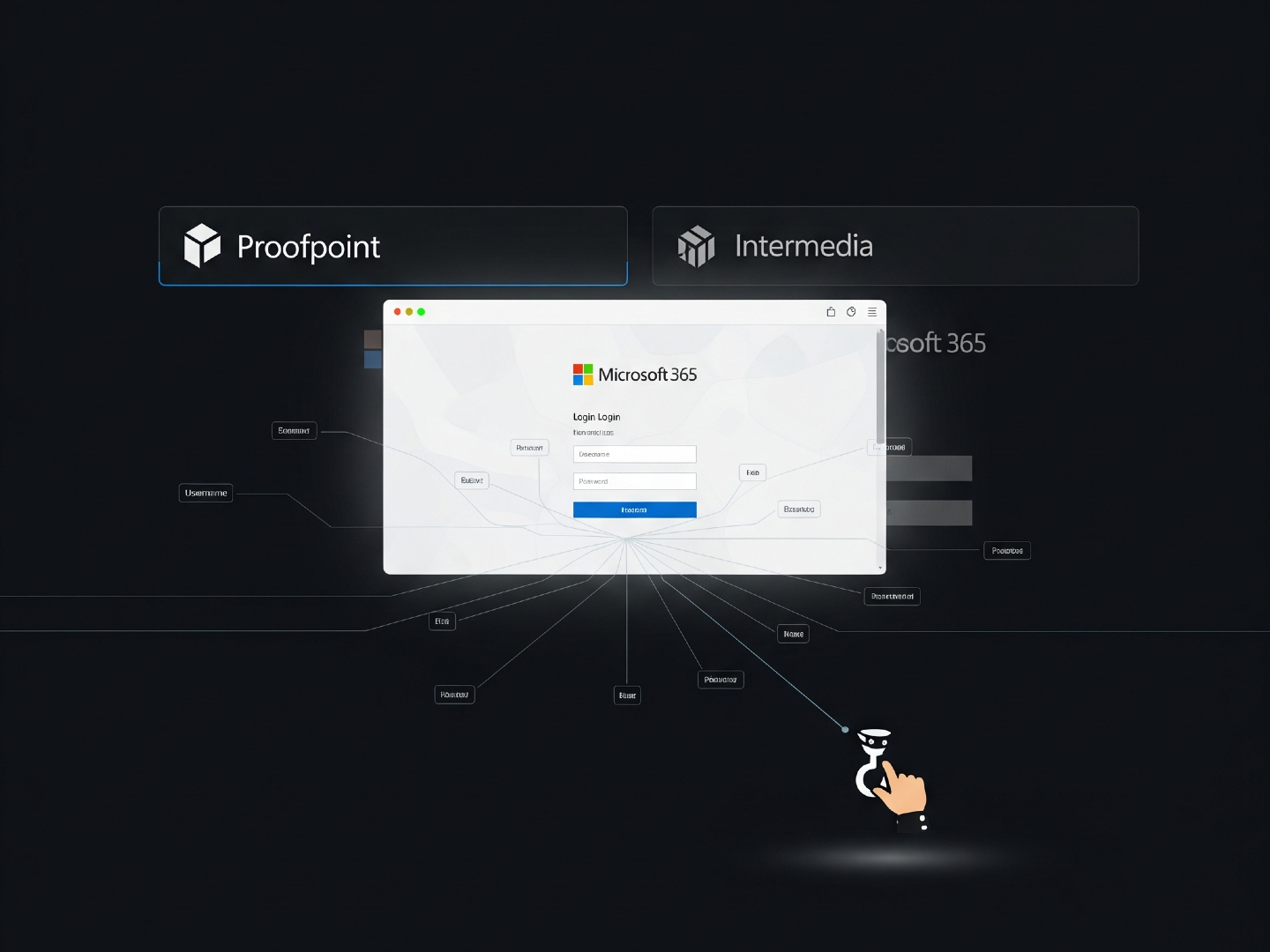
Using ARTEX to automate authentication attempts against more than 2,250 downstream Microsoft 365 environments, the attackers successfully breached at least 162 customer tenants, according to findings from cybersecurity firm Huntress cited in the advisory. The threat actor then attempted to establish persistence and alter credentials across victim directories.
In another campaign, a Chinese-speaking threat actor paired ARTEX with Claude Code agents to target South Korean financial institutions, including Shinhan Bank, KB Kookmin Bank, and Hana Bank, compromising the personal data of approximately 67,000 individuals. CrowdStrike researchers uncovered exposed attacker infrastructure holding ARTEX configuration files and agent session logs tied to the incident.
South Korean police separately arrested seven suspects linked to intrusions across more than 90 entities—including hospitals and academic institutions—that resulted in the theft of 8.2 million records via ARTEX. Furthermore, Chinese cyberespionage group Vapor Panda recently deployed the framework against more than 200 organizations across 14 countries, successfully infiltrating at least nine targets to plant web shells and harvest credentials.
Defensive Recommendations
In response to the threat, cybersecurity researcher MalwareMustDie published an open-source ARTEX detection signature pack alongside an indicator playbook. The resource offers rules to flag automated attack sequences, cloud permission abuse, malicious file drops, and suspicious network traffic across security monitoring tools.
The FBI recommends that organizations implement the following mitigation measures to counter automated intrusion tools:
- Audit and harden all internet-exposed assets, focusing particularly on legacy servers, testing portals, and third-party integrations.
- Restrict access to cloud administrative dashboards and enforce strict rate limits on sensitive external APIs.
- Routinely review OAuth application permissions, service principal identities, and authentication activity in cloud environments such as Microsoft 365.
- Configure security tools to trigger alerts on abnormal spikes in automated web requests, abrupt privilege escalations, and anomalous bulk data transfers.
The FBI noted that IP addresses included in its 13-page indicator list may shift over time and encouraged organizations that detect suspicious ARTEX activity to submit technical details to the Internet Crime Complaint Center.